

mirror full length with lights
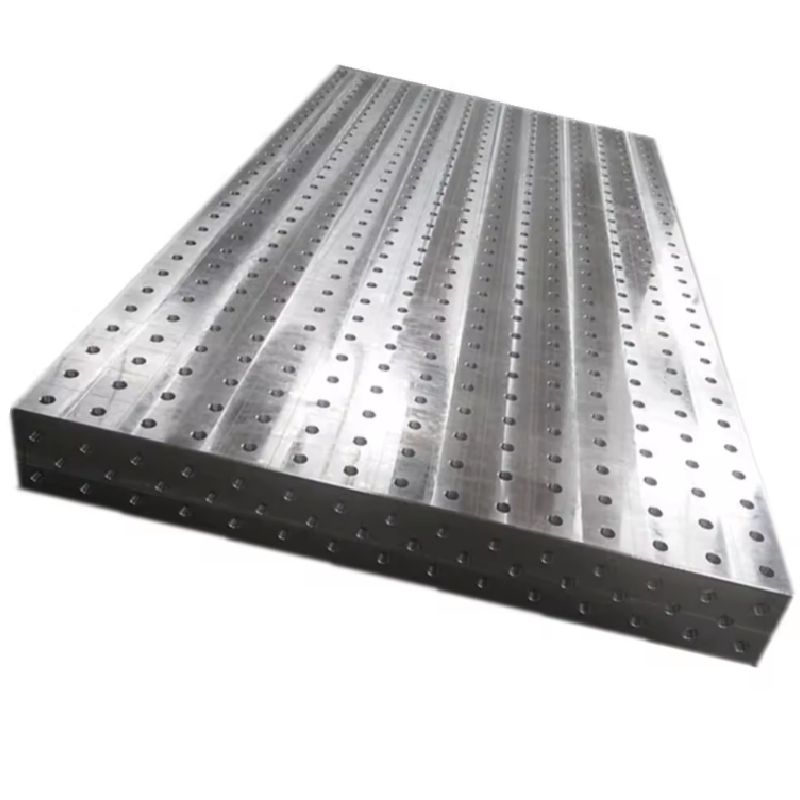
Making a Welding Table A Comprehensive Guide Welding is an essential skill in many industries, from automotive repair to metal fabrication. A good welding table can significantly enhance your work quality and efficiency. In this article, we’ll walk you through the process of making your own welding table, covering materials, construction steps, and tips to ensure it meets your needs. Materials Needed When constructing your welding table, choosing the right materials is crucial. Here’s a list of items you’ll need 1. Tabletop A steel plate is ideal. A thickness of 1/4 inch or more is recommended to withstand the heat and weight of various projects. Commonly, a 4x4-foot or 4x8-foot plate is used, depending on your workspace. 2. Frame You can either use square or rectangular steel tubes for the legs and supports. Tubes with a thickness of at least 1/8 inch are recommended for stability. 3. Wheels (optional) If you want your table to be mobile, add heavy-duty casters with locks. 4. Welding gear Ensure you have appropriate personal protective equipment (PPE), such as a welding helmet, gloves, and a fire-retardant jacket . 5. Tools You will need a welding machine, an angle grinder, a drill, measuring tape, and a level. Step-by-Step Construction 1. Design Your Table Before cutting any material, sketch out your design. Consider the size and shape that will work best for your projects. A square or rectangular table is usually most versatile. Ensure your design includes dimensions that allow enough workspace and room for larger projects. making a welding table 2. Prepare the Top Plate Cut the steel plate to the desired dimensions if it isn't already. Make sure to wear protective gear while cutting to avoid injuries. 3. Build the Frame Cut the steel tubes for the frame. You will need two long pieces for the length and two shorter pieces for the width, along with additional vertical supports based on your design. 4. Assemble the Frame Using your welding machine, start by welding the corners of the frame together. Ensure that each joint is secure and that the frame remains level. A square frame will ensure that your tabletop doesn’t warp as you work. 5. Attach the Tabletop Once the frame is complete and cooled, place the steel plate on top. Secure it by welding along the edges or using bolts if you prefer a removable top. Ensure the plate is flush and even with the frame to avoid any wobbling during use. 6. Add Legs (if applicable) For a stable work surface, attach steel tubes as legs. If you’re using wheels, attach the casters to the bottom of the leg tubes. Make sure the legs are evenly positioned, as this will impact the stability of your table. 7. Finish the Table Grind down any sharp edges and clean the surface of the table to remove any weld spatter. This will help prevent injuries and improve your working environment. 8. Test Your Table Before using your new welding table for substantial projects, test its stability with some lighter tasks. Ensure everything is securely attached, and adjust as necessary. Additional Tips - Add Accessories Consider adding features like a vise, electrical outlets, or a magnetic tool holder to enhance your table's functionality. - Surface Protection To prolong the lifespan of your welding table, consider applying a protective coating or paint designed for high temperatures. - Storage Solutions Utilize below-table storage solutions for tools and supplies, helping maintain a clean and organized workspace. Conclusion Creating your own welding table can be a rewarding project that not only improves your welding setup but also adds a personal touch to your workspace. By carefully selecting materials, following construction steps, and incorporating additional features, you’ll have a sturdy, functional table tailored to your specific needs. Happy welding!
about
mirror full length with lights
Understanding the Spirit Level Precision and Practicality The spirit level, also known as a bubble level, is an essential tool in construction, carpentry, and various engineering fields. Its primary function is to determine whether a surface is horizontal (level) or vertical (plumb). Given its critical role in ensuring accuracy in various projects, one may wonder about the specifications that define an ideal spirit level. One such specification is the accuracy level of 0.02 mm/m, an impressive benchmark that highlights the precision required in many professional applications. What Does 0 .02 mm/m Mean? The specification of 0.02 mm/m signifies that for every meter of length, a deviation of only 0.02 mm from the true level is acceptable. This degree of precision translates to a level of accuracy that's hard to achieve without high-quality materials and meticulous design. In practical terms, this means that if you were to place a spirit level over a 10-meter span, the bubble would remain centered within a range of just 0.2 mm, indicating a perfectly level or plumb surface. This fine calibration is crucial in projects where minute discrepancies could lead to significant structural issues, such as in the building of bridges, high-rise buildings, or even finely crafted furniture. Importance in Various Fields The importance of a spirit level with such precision cannot be overstated. In construction, improper leveling can compromise safety; for instance, floors that are not perfectly flat may lead to structural weaknesses, which can become dangerous over time. In woodworking, a perfectly leveled workpiece is crucial for achieving symmetry and aesthetic appeal. Even in everyday DIY projects, using a spirit level with an accuracy of 0.02 mm/m can mean the difference between a professional finish and a subpar outcome. spirit level 0.02 mm m Choosing the Right Spirit Level When selecting a spirit level, professionals and enthusiasts alike must consider several factors beyond just precision. The length of the level, the type of material used (such as aluminum or wood), and even the type of vial can influence its performance. A longer level might provide a more accurate reading over greater distances, while a shorter level may be more portable and easier to maneuver in tight spaces. Additionally, the durability of the spirit level is key; a tool that can withstand the rigors of a job site will maintain its accuracy longer. Vials made of high-quality liquid and glass ensure that the bubbles form correctly and can withstand impact without shattering. Conclusion In conclusion, the spirit level represents a marriage of simplicity and precision. With an accuracy rating of 0.02 mm/m, it serves as a critical tool across various fields, ensuring that the work produced meets the highest standards of quality. As we continue to value precision in our building and crafting endeavors, the spirit level remains an indispensable ally, helping to transform visions into reality with steadfast reliability. Whether you are a seasoned professional or a passionate DIYer, understanding and utilizing this essential tool can enhance the quality and durability of any project.
-

High quality industrial productsagement

High quality industrial products
View Details -

Meet the diverse needs of customers

Meet the diverse needs of customers
View Details -

Strict quality control

Strict quality control
View Details -

Top raw materials

Top raw materials
View Details -

Trusted supplier

Trusted supplier
View Details
Our application

news and information

Welding Inspection Tools for Accurate Measurement and Quality Assurance
The Importance of Welding Inspection Rulers in Quality Control Welding is a critical process in vari
Válvula de equilíbrio estático para sistemas hidráulicos eficientes e de fácil ajuste
Válvula de Balanceamento Estático Importância e Aplicações A válvula de balanceamento estático é um
Water gate valve price
In the complex landscape of water management and distribution systems, the water gate valve holds a
 English